Label review
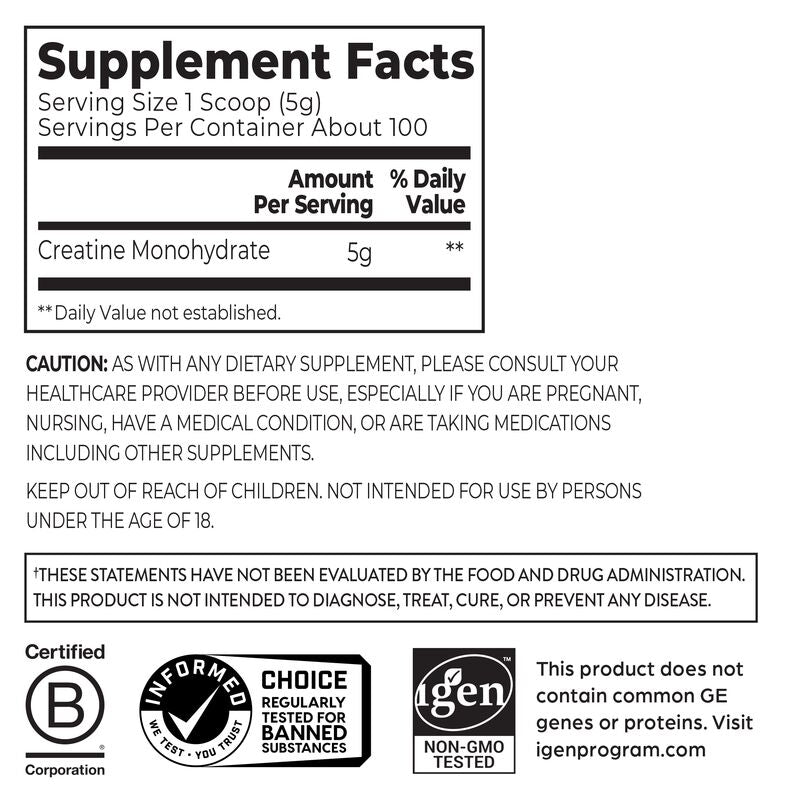
Creatine Monohydrate Products: Labels and Quality Evidence — November 2026
Creatine label and formulation documentation; not a tested retail shortlist or purity ranking.

Evidence before a purchase
Learn how to read healthy-aging evidence, compare home-measurement routines and assess supplement labels before deciding whether to buy.
Label review
Creatine label and formulation documentation; not a tested retail shortlist or purity ranking.
Label review
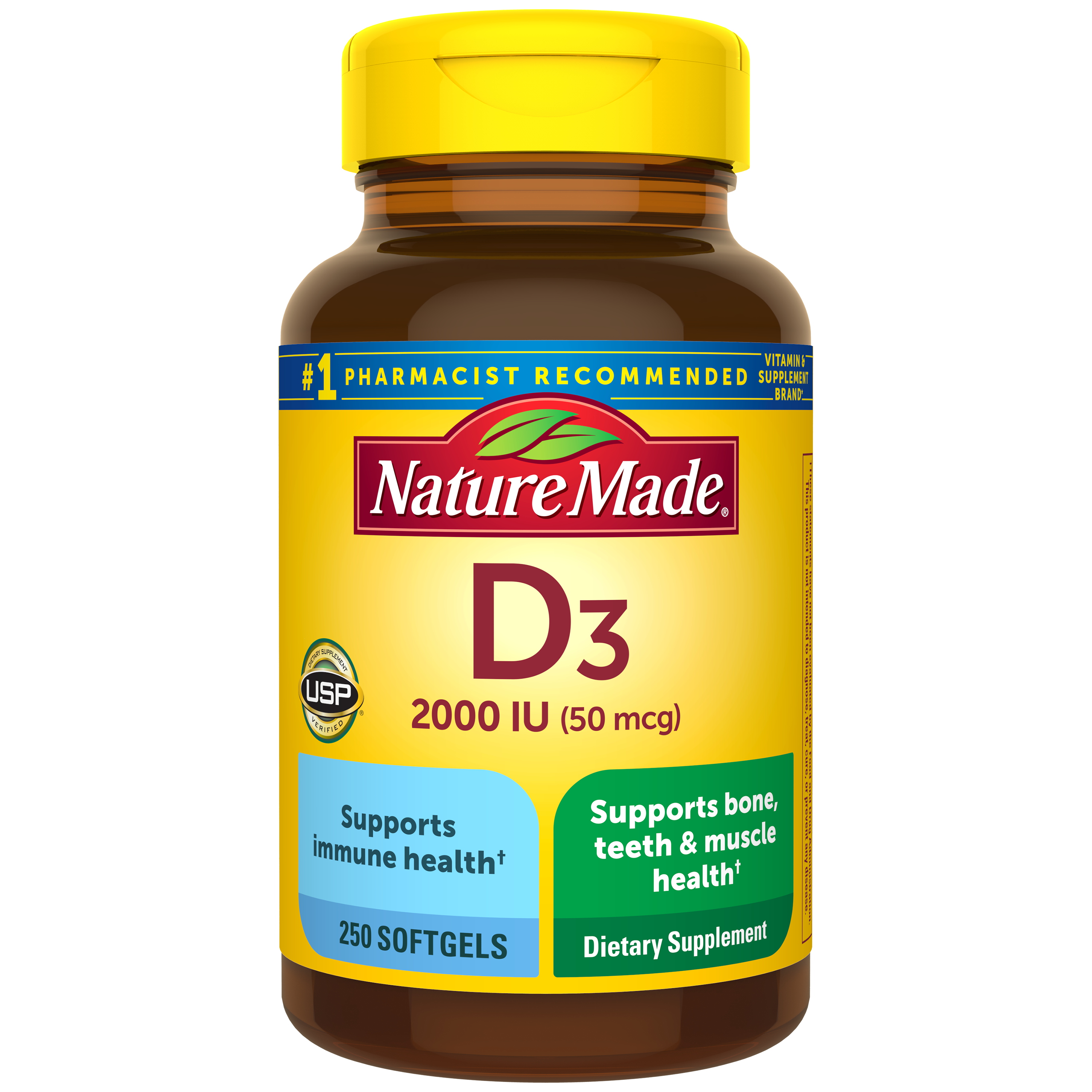
Vitamin D manufacturer-label clarity and purchase scope, not a retail-value or dosing recommendation.
Everyday habits
Bedroom air monitor sensor coverage, data access and what each reading cannot establish.
Measurements
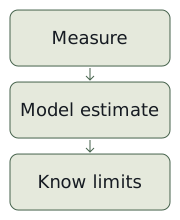
Body-composition scale features and documentation, with clear limits on estimated body metrics.
Buying Guides
Start with the job you need done, not a promise about your biological age. Learn how to read evidence, compare practical measurement tools and understand supplement labels before deciding whether to buy anything.
Follow the sections in order, or begin with the decision that could rule out an unsuitable purchase.
Educational buying guidance, not diagnosis, treatment or individualized medical advice.
01
Decide what you mean by aging well before looking at a product. A longer life, better daily functioning and an easier recording routine are not interchangeable goals.
The aging-biomarker perspective distinguishes lifespan from healthspan and explains why assessing interventions in people is difficult. Do not turn a product feature into a promise about either outcome. Read the research perspective.
Next step: write the practical task you need help with. Reading a display, recording results and making a purchase last are tasks you can investigate directly. A general promise to reverse aging requires a different standard of evidence.
02
Find the actual population, intervention and outcome behind a headline. The people in a study and the exact product on a shelf may not match the story in an advertisement.
Create an evidence card with the study title, participants, duration, comparator and measured outcome. Keep empty fields visible. An ingredient name alone does not identify an equivalent formulation or explain whether the reported result is relevant to your circumstances.
Next step: work through our evidence-reading guide before letting a headline decide what belongs in your basket. It includes an explicitly fictional example of a missing connection between a laboratory measurement and a purchase claim./
03
A changing number is not automatically a demonstrated improvement in health. Ask what connects a measurement with the outcome that matters to you.
The cited biomarker perspective discusses validation challenges, rather than providing blanket approval for consumer aging scores. Keep that distinction beside any marketing claim based on a marker. A short study of one measure does not, by itself, answer a question about years of healthy life. Biomarker framework.
Next step: copy the actual endpoint into your notes without replacing it with a broader benefit. If the connection to a purchase remains unclear, leave the decision open instead of inventing the missing bridge.
04
Separate the measurement, its setup and the convenience features around it. A useful recording tool does not have to be an anti-aging intervention.
For a device you are considering, identify the unit it displays, the population it is intended for and the instructions that affect use. Do not combine a body-weight reading, a body-composition estimate and an app-generated score as if they were equivalent evidence.
Next step: use our home-measurement guide to prepare a repeatable record and a data-sharing checklist. Check the current manual for the exact model before using it, especially where its warnings or intended users matter./
05
Read serving size, ingredient identity and units before comparing bottle prices. A familiar ingredient name or an impressive number on the front label is only the start of the task.
NIH ODS describes serving information and ingredient quantities as key label fields. Quality documentation addresses different questions from effectiveness and personal suitability. Keep those questions in separate columns rather than assigning one logo every job. ODS label information.
Next step: read our supplement-label guide, photograph the exact label and prepare the questions you need answered before choosing a bottle. Its cost example compares labeled servings, not a recommended personal dose./
06
A feature is valuable only if it solves a problem you actually have. List initial price, required accessories, replacement supplies and optional recurring commitments separately.
Use your present equipment as the first comparison. Identify what is missing or inconvenient and whether a replacement addresses that exact issue. Keep an unknown expense marked unknown; do not let a blank space become an assumed zero.
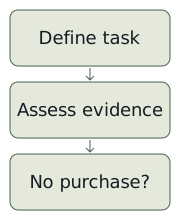
Next step: work through the no-purchase decision guide. Its keep, investigate and replace paths help you make a specific decision without turning a shopping list into a health plan./
07
A shopping guide can help organize specifications and questions. It cannot diagnose a condition, select a treatment or decide how a supplement fits your medicines.
FDA advises discussing supplement benefits and risks with a healthcare professional; medicines, laboratory tests and planned procedures can matter. A product description is not an individualized answer. FDA supplement guidance.
Next step: bring your question, exact product information and current medicine/supplement list to an appropriate professional. If symptoms or urgent concerns prompted the shopping search, seek appropriate care rather than waiting for another comparison.
Your reason for shopping determines which questions deserve attention first.
Begin with what the device measures, its intended users and its exact instructions. Decide how you will keep and share the record before paying for connected features.
Start with ingredient amounts, serving sizes and your reason for considering the ingredient. Keep personal suitability and possible interactions separate from price.
Identify the actual study and outcome before judging a product. Leaving a purchase undecided is reasonable when the evidence does not answer your question.
Choose the next useful question before choosing the next product.
Check the exact source and product details when you spot a discrepancy.
Everyday habits
Bedroom air monitor sensor coverage, data access and what each reading cannot establish.
Measurements
Body-composition scale features and documentation, with clear limits on estimated body metrics.
Measurements
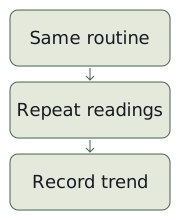
Two basic digital scales compared by checked price, selected size and reported ownership cautions.
Label review
Creatine label and formulation documentation; not a tested retail shortlist or purity ranking.
Label review
Fiber formats, label clarity and practical tradeoffs; exact retail-package equivalence remains unverified.
Measurements
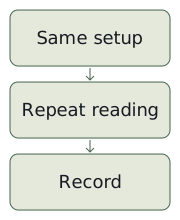
Grip dynamometer setup, repeatable home records and model-specific calibration limits.
Everyday habits
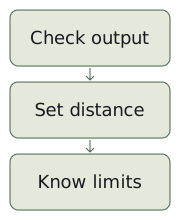
Light therapy lamp output documentation and practical placement, without treatment claims.
Everyday habits
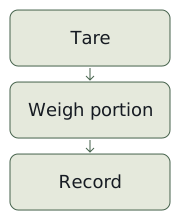
Nutrition scale controls and meal-preparation workflows, with charging and profile limits.
Label review
Omega-3 declared-content documentation and variant limits, not verified batch purity or clinical benefit.
Everyday habits
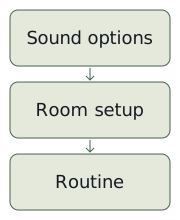
Sound machine controls and bedtime setup tradeoffs, not evidence of improved health outcomes.
Measurements
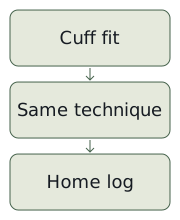
Compare three upper-arm monitors by cuff fit, price and recording routine, without an unsupported clinical-accuracy ranking.
Label review
Vitamin D manufacturer-label clarity and purchase scope, not a retail-value or dosing recommendation.
Buying Guides
Check exact-device instructions, keep a repeatable record and decide what information you want an app to hold before starting a home-measurement routine.
Buying Guides
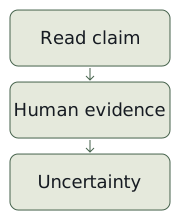
Separate human outcomes, laboratory findings and surrogate measurements before deciding what a longevity headline means for a purchase.
Buying Guides
Turn a healthy-aging shopping idea into a practical decision: define the task, check what you already own and compare total costs before ordering.
Buying Guides
Compare serving sizes, ingredient amounts and quality documentation, then prepare the questions that matter for your pharmacist or clinician.