
Buying Guides / The notebook
Make Home Measurements Useful, Consistent and Private
Check exact-device instructions, keep a repeatable record and decide what information you want an app to hold before starting a home-measurement routine.
By Anti-Aging · Published
We may earn a commission from qualifying purchases. Affiliate disclosure
Decide what the record is for
Start by naming the measurement and who will use it. A record for a clinical appointment, an ordinary weight log and a device-generated wellness estimate are different things. Write the unit and the exact device beside the number; do not silently merge outputs from different products into a single trend.
AHA recommends validated upper-arm monitors with correctly fitted cuffs for home blood-pressure monitoring, and discussing the routine with a healthcare professional. Home readings do not replace appointments or authorize changing medication yourself. AHA guidance.
Read the instructions before creating the routine
Use the manual for the exact model and generation, including its intended users and warnings. For example, the cited Body Comp instructions prohibit use with a pacemaker, defibrillator or another implanted electronic device. Do not borrow a different model’s mode-setting advice to override an instruction for your own device. Body Comp instructions.
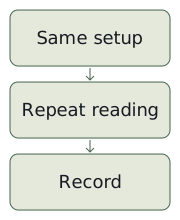
For blood-pressure recording, AHA advises quiet rest, a supported arm at heart level and two readings one minute apart. Agree the timing and frequency with your clinician and follow the device instructions. Home monitoring.
Keep estimates in their own column
Withings notes that its Body Scan impedance measurements can be affected by hydration, contact and skin conditions, and that results may differ from scales using other measurement arrangements. That is a product-specific explanation, not a clinical validation of every body-composition scale. Body Scan measurement notes.
An estimated quantity and a directly displayed weight should therefore have separate labels in your own record. Avoid treating an app’s changing estimate as proof that a particular purchase, ingredient or routine reversed aging.
Use a simple record card
Include date, time, unit, device model, result and a brief note about any change in setup. For a fictional illustration, a person changes both scales and measurement time during the same week. Their old and new values may belong in the same notebook, but the setup change should stay visible instead of being hidden behind one continuous chart. This example does not explain any real person’s change in weight or health.
Choose your data route deliberately
FTC identifies privacy and security as important considerations for apps collecting health information. Before enabling a connected feature, check what the app requests and how the provider describes sharing and storage. FTC health-app resource.
Make your own checklist: Is an account required? Can you record without syncing? Can you export the information you need? What does deletion mean for the account and its records? What happens when more than one person uses the device? Do not assume an answer from a generic “smart” label.
If a reading concerns you, use the advice and action plan agreed with your healthcare professional rather than interpreting this shopping guide as a diagnostic tool. For emergency symptoms, seek emergency help rather than troubleshooting a device or waiting for a trend.
Further reading
Check the exact source and product details when you spot a discrepancy.